Can Am Workplace Training Corporation
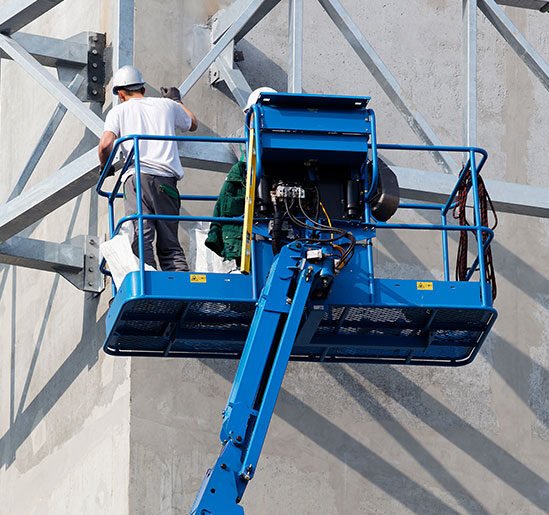
Operating an aerial lift without proper training puts workers at serious risk. Falls, tip-overs, and electrical contact incidents remain among the leading causes of injury on job sites that use boom lifts and scissor lifts. That’s why aerial lift training isn’t optional—it’s a legal and practical necessity for anyone who steps onto a platform.
OSHA sets clear expectations for how employers must prepare operators before they touch the controls. These rules cover everything from safe operating procedures to hazard recognition, and they apply whether you’re working in general industry or construction. Understanding these requirements helps employers protect their teams and avoid costly violations.
Which OSHA Standards Apply to Aerial Lift Training?
OSHA’s requirements differ depending on the industry sector. General industry employers typically follow 29 CFR 1910.67, which addresses vehicle-mounted elevating and rotating work platforms. Construction employers, on the other hand, must comply with 29 CFR 1926.453, which governs aerial lifts used on construction sites.
It’s worth noting that scissor lifts are often treated differently than boom-type lifts. Because scissor lifts move vertically rather than extending outward, they may fall under scaffold requirements instead of the standards written specifically for aerial lifts. Employers should confirm which standard applies to their equipment before building a training program, since using the wrong framework can leave gaps in OSHA aerial lift certification requirements.
Who Needs Aerial Lift Training Under OSHA?
Any worker operating an aerial lift must receive training appropriate to the equipment they’ll be using. This responsibility falls on the employer, who must ensure that each operator demonstrates the skills and knowledge to work safely before being authorized to use the machine.
Training shouldn’t be generic. A worker trained on a scissor lift isn’t automatically qualified to operate a boom lift, and someone trained for flat, indoor work may need additional instruction before operating equipment outdoors or on uneven terrain. Matching training to both the equipment and the environment is a core part of MEWP operator training and OSHA compliance.
What Must OSHA Aerial Lift Training Cover?
A thorough training program should include:
- Electrical, fall, struck-by, and falling-object hazards specific to the worksite
- Safe operating procedures and how to recognize unsafe conditions before they become incidents
- Equipment load limits and manufacturer instructions for the specific lift model
- Pre-use inspection steps, including checking controls and safety devices
- A hands-on demonstration of the skills and knowledge needed to operate the lift safely
This combination of classroom instruction and practical evaluation forms the backbone of effective elevating work platform training.
What Are the OSHA Requirements for Fall Protection?
Fall protection is one of the most critical elements of aerial work platform safety. For boom-type aerial lifts, workers typically need to wear a harness or restraint system attached to a designated anchor point within the platform. This keeps operators securely positioned even if the platform shifts unexpectedly.
Workers must never climb on guardrails or use a ladder inside the platform to gain extra height—these actions defeat the purpose of the guardrail system and significantly increase fall risk. Keep in mind that fall protection requirements can vary depending on the type of equipment and which OSHA standard applies, so operators need training specific to their machine.
When Is Aerial Lift Retraining Required?
Retraining isn’t a one-time box to check. OSHA requires employers to provide it when:
- A worker has been involved in an incident while operating an aerial lift
- New hazards are identified in the workplace
- An operator switches to a different type of aerial lift
- Observed unsafe operating practices suggest a worker needs a refresher
Staying alert to these triggers helps employers maintain a culture of safety rather than treating training as a formality.
What Should Employers Check Before Allowing Workers to Operate a Lift?
Before putting a worker on a lift, employers should verify that training has been completed and that the worker can demonstrate practical competency, not just theoretical knowledge. Operators should understand equipment-specific procedures, know how to conduct a proper pre-use inspection, and be comfortable identifying warning signs during operation.
Maintaining documentation of completed training is equally important. Good records help employers track who’s qualified for which equipment and flag any skill gaps that need to be addressed through additional coaching or retraining.
Prepare Your Team for Safe Aerial Lift Operation
Can Am Workplace Training Corporation (CAWTC) offers an aerial work platform course in Ontario and MEWP safety training designed for real workplace conditions, with formats to suit different schedules and team sizes. Pairing this with a fall protection training course can further strengthen your team’s readiness for elevated work.
As part of broader workplace health and safety training in Ontario, employers should confirm that any course they choose meets the requirements of their specific jurisdiction and applicable standards.
Ready to build a safer, better-trained team? Contact CAWTC today to find the right aerial lift training course for your workplace.