Can Am Workplace Training Corporation
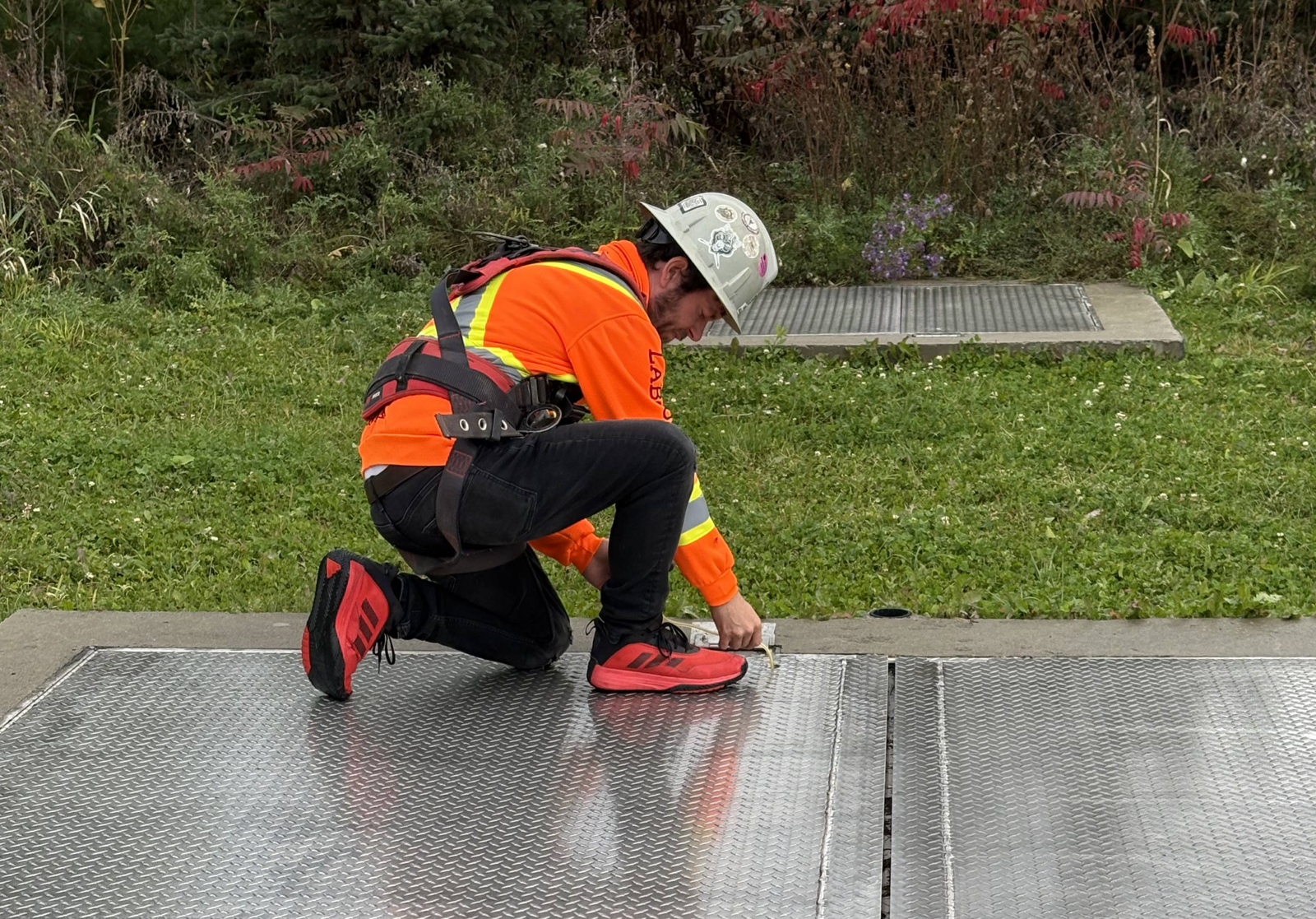
Firefighters train for a wide range of emergencies, from structure fires to vehicle collisions to medical calls. But a tunnel incident presents an operating environment unlike almost anything else they encounter. Many municipal fire departments simply don’t have personnel trained to enter confined spaces or underground tunnels, and conditions below grade can render standard breathing equipment and surface-based response strategies insufficient.
That gap is exactly why provincial regulations require companies involved in tunnel construction to maintain on-site personnel trained specifically for tunnel rescue. This is where Draeger BG4 Level 1 training in Ontario and Quebec programs come in. These programs provide specialized preparation for the workers who may need to respond to a tunnel construction incident or underground emergency, and they fill a readiness gap that general firefighting training was never designed to cover.
Why Standard Firefighter Training May Not Be Enough for Tunnel Rescue
General firefighting skills remain the foundation of any emergency response, but they weren’t built for extended operations hundreds of metres underground. Surface-based incidents allow for rapid evacuation, fresh air access, and straightforward communication. Tunnels offer none of these advantages.
That’s why tunnel rescue training typically builds on firefighters’ existing skill sets with additional, specialized knowledge in areas such as:
- Breathing apparatus use in oxygen-compromised environments
- Underground navigation
- Rescue procedures specific to confined, linear spaces
- Communication under restricted conditions
- Team coordination
- Operating with limited visibility
In Ontario, construction regulations require tunnel projects to maintain a minimum of four on-site tunnel rescue team members per shift. In Quebec, the minimum is three per shift. These aren’t suggestions. They’re enforceable requirements that directly affect whether a project can legally operate.
Draeger BG4 Respiratory Protection and Extended Underground Operations
The Draeger BG4 is a closed-circuit breathing apparatus used for respiratory protection in environments where breathable air may be compromised, a common risk in tunnel construction and underground emergencies. Unlike standard open-circuit systems with limited air supply, the BG4 is engineered for extended-duration operations, making it a go-to choice for tunnel rescue.
Before a team member ever relies on this equipment during a real emergency, they need to understand it inside and out. Equipment that feels unfamiliar in a crisis is a liability.
BG4 training for rescue team members covers the hands-on skills required to operate the equipment confidently, including:
- Donning and using the apparatus correctly
- Understanding the equipment’s operating limitations
- Monitoring equipment condition throughout a rescue operation
- Working effectively while wearing the apparatus
- Following established procedures without deviation
Practical, hands-on training allows workers to build real confidence using the BG4 under controlled conditions, so that confidence carries over when conditions are anything but controlled.
Developing Tunnel Navigation and Rescue Skills
Finding the way into and out of a tunnel becomes significantly more difficult during an emergency. Smoke, debris, and darkness can turn a familiar route into a disorienting maze. This is where dedicated tunnel emergency response training makes a measurable difference.
Training in this area typically covers:
- Navigating with limited visibility
- Maintaining team orientation throughout the operation
- Following designated entry and exit routes
- Locating and assisting casualties
- Returning safely from the incident area
Teamwork and constant awareness of the team’s position underground are central to every one of these skills. A rescue team that can’t track its own location can’t reliably help anyone else.
Improving Tunnel Rescue Workers’ Decision-Making in High-Risk Tunnel Conditions
Tunnel rescue demands continuous reassessment. Conditions that are stable one moment can shift quickly, and rescue workers need to make sound decisions in real time. These decisions often involve:
- Whether conditions remain safe for entry
- Changing smoke or atmospheric conditions
- Equipment status and remaining capacity
- Casualty location and condition
- The team’s own physical and mental state
- Communication with the incident command structure
Tunnel rescue training gives workers the opportunity to practice these judgment calls under controlled, but realistic, conditions. That repetition matters. Decision-making under pressure improves with exposure, and a training environment is a far better place to make and learn from mistakes than an active emergency.
Strengthening Team Coordination During Underground Rescue
Tunnel rescue is never a one-person job. Every operation depends on clearly defined roles, constant communication, and accountability among team members. Effective coordination includes:
- Clearly defined roles for every team member
- Reliable communication throughout the operation
- Team accountability at every stage
- Coordinated entry and exit procedures
- Maintaining contact with the rescue team
- Ongoing communication with incident command
Specialized underground rescue training gives tunnel rescue workers the chance to rehearse these processes repeatedly before they ever need to execute them during an actual emergency. Teams that have practiced together respond more cohesively when it counts.
Practical Training Helps Tunnel Rescue Workers Prepare for Real Tunnel Conditions
Classroom knowledge alone doesn’t adequately prepare anyone for underground rescue. Reading about a BG4 unit is not the same as using one in a simulated, high-pressure scenario. Practical training allows participants to work directly with the equipment and procedures they may encounter during an actual response.
Effective tunnel rescue training for tunnel construction projects should include:
- Hands-on BG4 training
- Simulated rescue scenarios
- Equipment familiarization
- Team-based exercises
- Practical evaluation
The goal of this training isn’t just certification. It’s giving tunnel rescue workers the chance to identify difficulties and improve their response before facing a real emergency, when there’s no room for a second attempt.
Keeping Tunnel Rescue Skills and Equipment Ready
Tunnel rescue preparedness doesn’t end when the training course does. Skills fade, and equipment requires ongoing attention. Maintaining readiness means prioritizing:
- Refresher training on a regular schedule
- Maintaining equipment to manufacturer standards
- Regular checks on breathing apparatus condition
- Servicing breathing apparatus as needed
- Keeping documentation current
- Ensuring trained personnel remain available on every shift
Contractors and projects should treat tunnel rescue readiness as an ongoing program, not a one-time training event. That’s precisely why Can Am Workplace Training Corporation (CAWTC) offers Draeger BG4 Level 1 training in Ontario and Quebec alongside ongoing BG4 refresher training and post-training equipment servicing, keeping teams and equipment ready well beyond the initial certification.
Choosing Tunnel Rescue Training Providers for Your Tunnel Project
Selecting the right training partner has a direct impact on compliance and crew readiness. Contractors and projects should consider the following factors:
- Regulatory Requirements. Does the training meet applicable Ontario or Quebec requirements? Is the provider appropriately recognized or approved to deliver the specific training being provided?
- Practical Draeger BG4 Training. Does the training include hands-on equipment use, or is it limited to theory alone? Hands-on practice is what builds real competence.
- Refresher Options. Can the provider support ongoing training as personnel change roles or skills need refreshing?
- Equipment Support. Can the same provider also support BG4 equipment servicing and maintenance, or will that require a separate vendor relationship?
- On-Site Delivery. Can training be delivered at your facility or project site? Can scheduling accommodate your operational requirements without disrupting the project timeline?
Customized Tunnel Rescue Training and BG4 Rental for Ontario and Quebec
CAWTC brings direct, field-tested experience to every training engagement, backed by recognition as a named Tunnel Rescue Trainer with the Ontario Ministry of Labour and an accepted BG4 trainer with Quebec’s CNESST. Our training packages are built around what tunnel construction projects need, including:
- BG4 Level 1 Tunnel Rescue Training
- Fire Protection Training
- BG4 Refresher Training
- Post-Training Equipment Service
Complete Solutions: Equipment + Training + Service
Our services can be structured around your project’s specific requirements, including your project timeline, workforce requirements, equipment needs, training requirements, and applicable regulatory obligations.
Ongoing refresher training and equipment servicing help maintain readiness over the entire life of a project, not just at kickoff. Prepared tunnel rescue workers are better positioned to respond safely and effectively when an underground emergency occurs, and that preparation starts with choosing the right training partner.
Looking for tunnel rescue training in Ottawa teams or tunnel rescue training for fire stations can rely on? Contact CAWTC today to discuss your project’s tunnel rescue training and BG4 equipment needs.